
POLICY AND ADVOCACY 2026

|
September 10, 2026 DOJ Launches Probe Into Conditions At MCJ After Years Of Complaints
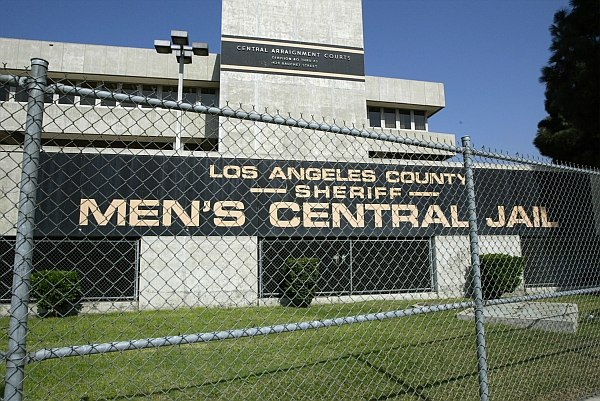
The U.S. Justice Department has launched an investigation into conditions at Los Angeles County’s Men’s Central Jail, following years of concerns about poor conditions and inmate deaths. The government will probe whether Los Angeles County has provided “humane” conditions to individuals housed there, and notified Sheriff Robert Luna of the federal inquiry in a letter Wednesday, according to a DOJ press release. LARRP and our partners have been working to close MCJ for years and are working with the county and our network to finally achieve our goal of ending the conditions at MCJ.
|
|
September 9, 2026 The LA Homeless Services Authority (LAHSA) Will Now Need To Compete To Save Itself
Los Angeles’ main homelessness agency, LAHSA, has been told it must compete to retain its core federal roles, raising the prospect that the decades-old city-county partnership could be dismantled. County leaders plan to bid for control of key homelessness systems, while Los Angeles officials also consider building a separate, city-led response amid mounting frustration with LAHSA’s performance. Federal auditors and court rulings have spotlighted LAHSA’s financial and data weaknesses, prompting a nationwide search for new overseers of the region’s federal homeless funding, data systems and housing placements. |

|
June 30, 2026 California prisons clamp down on overtime, limit access to classes for incarcerated people
June is the month where newsfeeds and headlines dealing with the state budget start to circulate, as this is budget season in Sacramento. As we approach the end of the month, the new state budget comes into focus, and we see the ramifications of the last fiscal year play out. Within CDCR, facilities have cut overtime to a number of employees, shutting down critical opportunities for incarcerated individuals, restricting their access to education, personal improvement classes, and other support services. Despite the closures of multiple state penal facilities, CDCR’s budget has remained steady for years, leading to questions about how the extra resources have not helped ensure these funding shortfalls do not occur. While the beginning of the next fiscal year starts today, and these temporary stopgap measures will end, we have a responsibility to those incarcerated to ensure their access to goods and services is not stalled due to circumstances out of their control. LARRP continues to speak loudly alongside our network for key funding and budget priorities, and your support for our requests help ensure the budget reflects the needs and desires of those affected most by the carceral system. |

|
June 22, 2026 LA’s program that diverts mental health crisis calls away from police to expand
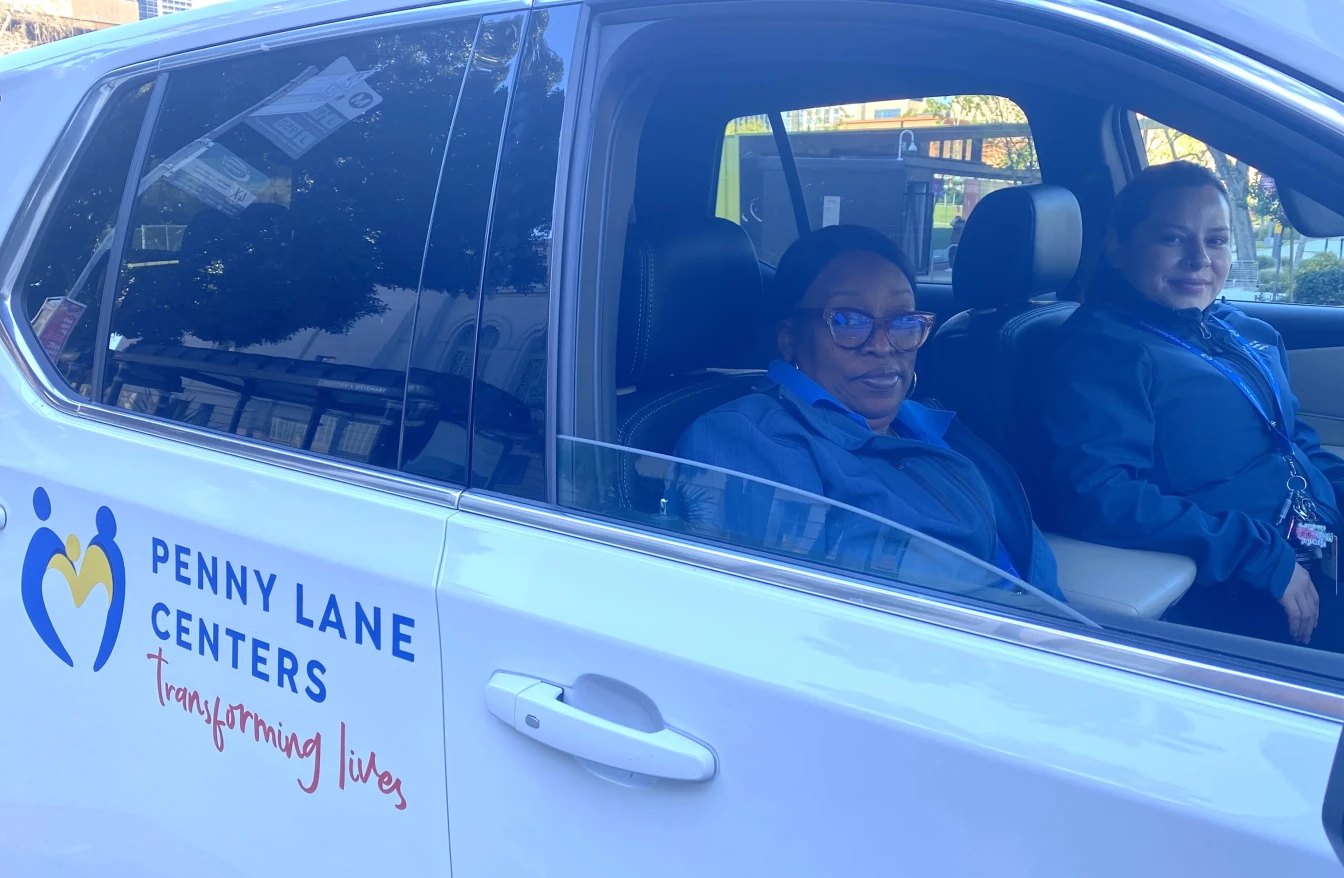
The Los Angeles City Council’s recently approved budget includes funding to expand a program that diverts police from some mental health crisis calls to 911. The new city budget includes funding to expand those teams from nine police divisions — including Devonshire, Wilshire, Southeast, West L.A., Olympic and West Valley — to a total of 15. The crisis teams are slated to go online within the six additional police divisions by June 2027. City officials have expressed support for expanding UMCR citywide by the 2028 Olympics. With the plan to expand to 15 police divisions by June 2027, UMCR would need to expand into another six divisions to meet that goal. |
|
June 10, 2026 California Committee on the Revision Of The Penal Code Recommends the Passage of AB 1231
California's Committee on the Revision of the Penal Code, or CRPC, makes regular recommendations on how best to enable positive changes for the justice-impacted and incarcerated communities, and one of their major recommendations is the passage of AB 1231, the Safer Communities Through Opportunists act, authored by Assemblymember Elhawary and co-sponsored by LARRP, Vera, PICO, SEIU, DPA, and other organizations. This bill would enable diversion for certain non-violent, non-sexual felonies, providing opportunities for folks to avoid incarceration if a judge believes diversion would provide stronger outcomes for the individual and the community. |

|
May 18, 2026 Despite the Ability to Make Free Calls, Many Incarcerated Folks Still Face Communication Barriers
Last year, California passed Senate Bill 1008, making phone calls free for the roughly 90,000 people incarcerated in the state’s prisons to remediate decades of harm that overpriced prison phone fees have caused incarcerated people and their families. This change followed another communication announcement by the California Department of Corrections and Rehabilitation (CDCR). In March 2022, ViaPath Technologies became the provider for all communications services in California’s prisons. As part of the agreement, ViaPath would provide free tablets to each person incarcerated in the state. Despite these changes and the promises made that communication would be easier for those who are incarcerated, barriers still remain and the slow progress toward solutions have left many unable to communicate with their loved ones. |

|
May 4, 2026
This week, Congresswoman Sydney Kamlager-Dove (CA-37) introduced a legislative package to support formerly incarcerated people upon reentry and beyond, while promoting second chances for incarcerated individuals and directly impacted children. This package includes the One Stop Shop Community Reentry Program Act, the Second Look Act, and the Directly Impacted Child Rehab and Safety Act, as well as a resolution designating the final week of April as National Reentry Week. The One Stop Shop Community Reentry Program Act is co-led by Congresswoman Shontel Brown (OH-11). LARRP is proud to stand with the Amity Foundation, Congresswoman Kamlager-Dove, and the nationwide reentry community to support these vital bills, and will continue to provide our network with opportunities to get involved and voice their support for this slate of bills. The One Stop Shop Community Reentry Program Act was passed by the House during the 117th Congress and is cosponsored by Reps. Joyce Beatty (OH-03), Steve Cohen (TN-09), Jonathan Jackson (IL-01), Hank Johnson (GA-04), LaMonica McIver (NJ-10), Eleanor Holmes Norton (DC-AL), Lateefah Simon (CA-12), Shri Thanedar (MI-13), Rashida Tlaib (MI-12), and Nydia Velazquez (NY-07). This bill would:
The Second Look Act, cosponsored by Reps. Steve Cohen (TN-09), Jonathan Jackson (IL-01), Hank Johnson (GA-04), LaMonica McIver (NJ-10), Lateefah Simon (CA-12), Shri Thanedar (MI-13), Rashida Tlaib (MI-12), and Nydia Velazquez (NY-07), would:
The Directly Impacted Child Rehab and Safety Act, cosponsored by Reps. Steve Cohen (TN-09), Jonathan Jackson (IL-01), Hank Johnson (GA-04), LaMonica McIver (NJ-10), Lateefah Simon (CA-12), Shri Thanedar (MI-13), Rashida Tlaib (MI-12), and Nydia Velazquez (NY-07), would:
The National Reentry Week Resolution, cosponsored by Reps. Joyce Beatty (OH-03), Steve Cohen (TN-09), Danny Davis (IL-07), Jonathan Jackson (IL-01), Hank Johnson (GA-04), LaMonica McIver (NJ-10), Eleanor Holmes Norton (DC-AL), Lateefah Simon (CA-12), Shri Thanedar (MI-13), Rashida Tlaib (MI-12), and Nydia Velazquez (NY-07), would:
|

|
April 29, 2026 Prop 36 Continues to Fail In Its Intended Goals and Harms Many Communities
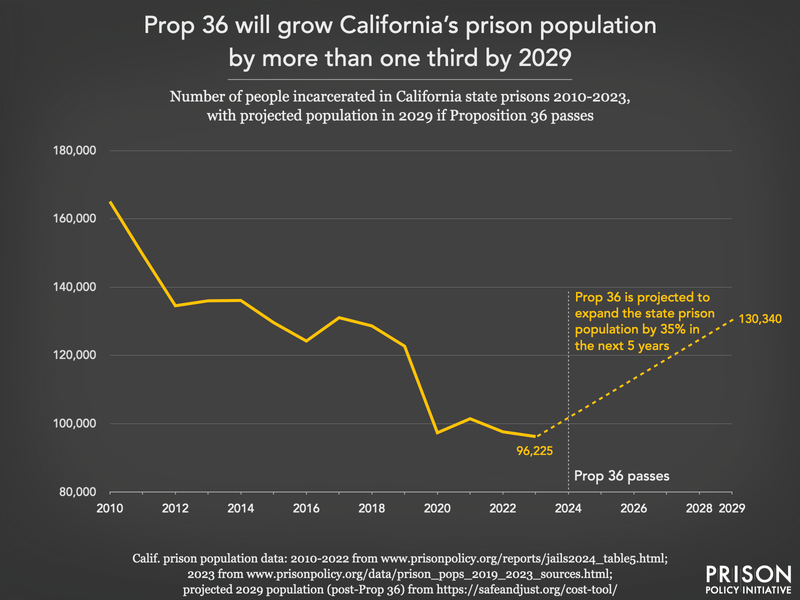
Prop 36 was sold to Californians as a necessary step to curtail sky-high criminal activity, but data continues to show that Prop 36 has not only failed in its intended goals, but has actually harmed vulnerable communities across the state. It has increased the number of incarcerated individuals statewide, but has not made any positive progress to curtail the underlying issues it claimed to solve. As we continue to engage in conversations about policy and how best to solve these difficult issues with legislation, we should understand the circumstances of the law as it stands and how we as a community can stand up to more dangerous legislation in the future. |
|
April 15, 2026 LAPD commission president steps down in surprise move
The leadership of the Los Angeles Police Commission experienced a significant shakeup Tuesday during a regularly scheduled meeting, when it was announced that Teresa Sánchez-Gordon had stepped down as president of the police oversight body. Shields announced that Sánchez-Gordon would be stepping down and added that she would be playing some continued role on the commission, but did not provide further details before the group went into closed session. A spokesperson for the commission said that Sánchez-Gordon would continue to serve as a commissioner. |

|
April 3, 2026 2026 LARRP Policy Priorities for California Legislative Session Announced
Each and every year, the staff and leadership team here at LARRP do a deep dive into all of the bills introduced in the California State Senate and Assembly with the goal of understanding the slate of legislation being worked on and which bills stand to help or hurt the justice-impacted community the most. This year, our list highlights legislation dealing with immigration, youth detention, and a number of other great bills which would help expand and strengthen protections for the system-impacted members of our network. If you are interested in getting involved, email Charles at charles@lareentry.org to learn how to help! |

|
March 4, 2026 Upcoming June Election Community Election Worker Opportunities Preparing Around LA County
As we approach the June primary elections here in California, LA County is beginning to disseminate voter materials as well as working with communities to get the word out on participating in the election. A social media toolkit is now being distributed by the county for organizations to help spread the word and start getting folks interested and involved about the upcoming election. If you are interested in helping with these elections as a community worker, there are opportunities to get involved through the county registrar's office linked below. Individuals who are bilingual are especially important to ensure folks who speak various different languages are able to understand the process and how to get involved! LA Community Voter Worker Information- https://www.lavote.gov/home/voting-elections/pollworker-information/become-an-election-worker/community-election-workers Election Worker Recruitment Toolkit- https://links-1.govdelivery.com/CL0/https:%2F%2Frrcc.box.com%2Fs%2Fo8ifk7kndxymluwr2yyrjlgaqix5c3d7%3Futm_content=%26utm_medium=email%26utm_name=%26utm_source=govdelivery%26utm_term=/1/0100019ce86dad43-4a4ecae5-5a84-4c8d-95d4-499c0eb41ccf-000000/PX4RHcfb9i0k5PdsL9qwYJ7Fegi86f2s8husY_MAjKw=448 |

|
March 4, 2026 LA Superior Court Discovers Decades Long Backlog of Convictions Never Uploaded To DOJ Database
Over the last few years, the LA County Superior Court has been upgrading its backend systems for uploading convictions and case dismissals to the State's Department of Justice, and in the process of migrating information, discovered a backlog of nearly half a million Arrest Disposition Records, or ADR's. The majority of these records are from a period beginning in the early 1980's and ending around 2006. Of the ADR's, over 380,000 are for convictions, and are now in the process of being reconciled with state and federal databases. We are in contact with county partners to understand the impact this is expected to have on the justice-impacted community and what resources will be available for folks who are affected by this process. Read more here: https://www.lacourt.org/newsmedia/uploads/14202622482326-PN-02-24-2026-UnreportedArrestDispositionReports.pdf |

|
February 23, 2026 7 L.A. County Public Health clinics to close after $50M funding cut
Federal funding cuts are being felt across the country, and here in LA, funding shortfalls are starting to impact health care services in the county. 7 clinics will close on February 27 following 50 million in federal healthcare cuts, with more under threat if the funding outlook does not improve. These clinics provide vital services to low-income communities, including important access to testing and treatments for sexually transmitted infections. The closing clinics are
Read more here: https://ktla.com/news/local-news/7-l-a-county-public-health-clinics-to-close-after-50m-funding-cut/ |

|
February 23, 2026
Following a series of political scandals in Los Angeles, the city set up the Charter Reform Commission to work with various stakeholders and the community to recommend changes to the city's foundational governing document. As the Commission has engaged with Angelenos over the last year, they have recommended multiple changes to the city including expanding the size of the city council from 15 to 23, lowering the voting age for municipal elections from 18 to 16, and allowing non-citizens to vote in municipal elections in order to better allow those who live in LA to use their voices to help shape the city's future. Read more here: https://laist.com/news/housing-homelessness/california-los-angeles-hud-mixed-status-rental-housing-assistance-trump-rule-immigrant |

|
February 23, 2026 New HUD Rules could leave thousands of Angelinos without rental assistance
The Federal Department of Housing and Urban Development has released a rule change which would exclude mixed immigration status families from receiving federal housing assistance. In LA, this could rescind federal housing funds from over 7,000 families, putting nearly 20,000 Angelenos at risk of losing federal housing support. Read more here: https://laist.com/news/housing-homelessness/california-los-angeles-hud-mixed-status-rental-housing-assistance-trump-rule-immigrant |

|
February 3, 2026 Dirty Running Water at Century Regional Detention Facility On the February 3, 2026 meeting of the LA County Board of Supervisors, the Board will be voting on a motion which seeks to solve issues with dirty running water at Century Regional Detention Facility. Members of the County’s Sybil Brand Commission, a group tasked with assessing the safety and cleanliness of local county jails, have filed numerous reports of brown, odorous running water at Century, which those incarcerated there must drink and shower in, or spend their own money to buy bottled water from the canteen. This motion would mandate that bottled water be made available for free, and task the relevant county agencies with working to fix the issues with the plumbing. This motion is vital to the health and wellbeing of those incarcerated at Century and it is important that we come out to show our support of this motion.
To provide public comment, feel free to use the script below to either call in on the day of the meeting, or via the online comment portal here. My name is ____ and I am reaching out in partnership with LARRP to support motion number ##, seeking to solve the issues with dirty running water at Century Regional Detention Facility. We can not allow incarcerated individuals to contend with dirty, potentially dangerous water with no recourse available unless they pay with their own money. I encourage the Board to vote to support this motion to start solving this issue and in the meantime, provide clean water immediately at no cost to those who are incarcerated. Thank you. |

|
January 22, 2026 BIG WIN: LA County’s Metro Board has approved a route for the Sepulveda Transit Corridor project
LA County’s Metro Board has approved a route for the Sepulveda Transit Corridor project, which LARRP helped mobilize support for last year. This route will be one of the most used transit lines in the country, and will connect the Valley to the Westside with a tunnel through the Sepulveda pass. With direct access to Westside amenities like UCLA and the VA hospital from the San Fernando Valley, this will open the door for more interconnectivity across LA County. With new state laws pertaining to creating higher density around transit stations, we expect to see major housing investments in the Valley over the next decade, and we will continue to advocate for more affordable and supportive housing in these spaces to ensure that the benefits of these interconnected communities can be felt by as many folks as possible. YOUR SUPPORT helped this happen, and this is a major win for accessibility and interconnectivity for those in the Valley. Read more here: https://laist.com/transportation/metro-sepulveda-transit-corridor |

2025 State Legislative Session
|
JUNE 4, 2025 LARRP co-sponsored Expanded Diversion Bill Passed the California State Assembly
|
May 1, 2025
 LARRP’s two co-sponsored bills, AB 1144 (McKinnor) and AB 1231 (Elhawary), are currently in the Appropriations Committee of the California State Assembly, where the financial and budgetary components of legislation are considered within the broader context of the state’s budget. Luckily, our bills do not carry large costs, and we are hopeful they will both pass out of this often tough Committee vote. We are working closely with our partners and strategic allies to bolster support for this legislation and grow the number of folks engaged in advocacy for these crucial bills.
As a reminder AB 1144 (McKinnor) would allow elderly incarcerated individuals to voluntarily step back from their work assignments without fear of punishment or loss of privileges if passed. And AB 1231 (Elhawary) will expand access to diversion to more low level, non-violent and non sexual felonies statewide if passed. These bills are just two of the hundreds of bills working their way through the state legislature. There are over a thousand pieces of legislation crafted and considered every year which go through a rigorous process to have their merits and the contents considered and analyzed in order to ensure each piece of legislation fits the goals of the state and the elected officials voting on them.
|
|


|
March 1, 2025
 LARRP is proud to announce that we are co-sponsoring 2 bills this year in the California Legislature and providing our community with many tools and resources to help get involved in the legislative process.
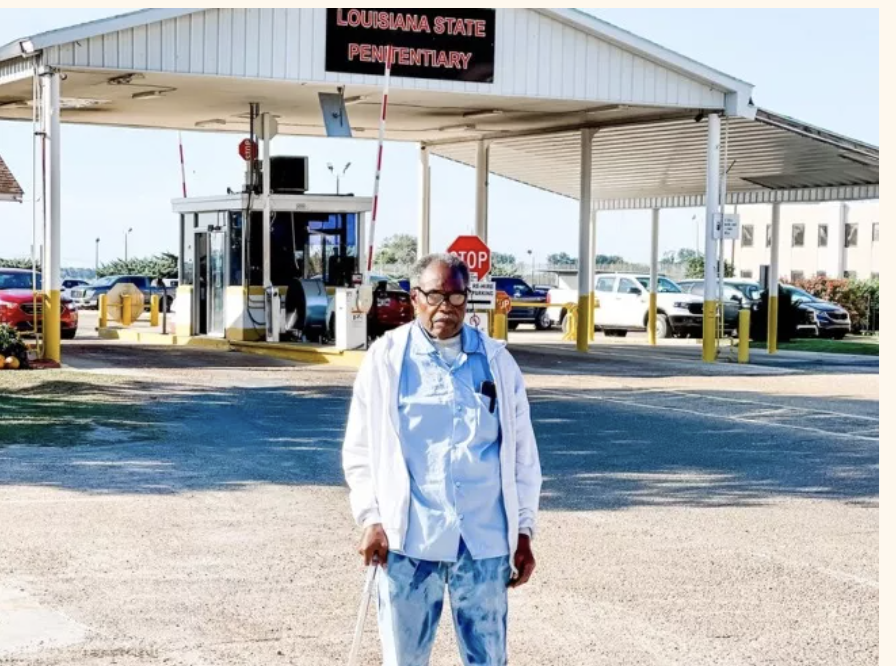
The first bill is AB-1144 authored by Assemblymember Tina McKinnor, which will create protections for elderly incarcerated individuals to voluntarily step back from their work requirements in jails and prisons while being protected from adverse consequences from CDCR. Currently, any incarcerated individual who cannot receive a medical exemption must work their assigned job or risk being reprimanded, including but not limited to losing visitation, canteen, and other privileges. Enabling this population to be their own best judge for how much work they can take on will help restore dignity and autonomy to this group. Firsthand accounts shared with us describe older individuals who have to push heavy dollies with one hand while supporting their oxygen tanks with the other. We are dedicated to helping the incarcerated population, and this is a great first step to help some of the most vulnerable folks work as much as they see fit without being scared of being punished. We are co-sponsoring this bill with the California Coalition for Women Prisoners, Cure CA, and A New Way Of Life.
Our second bill is AB 1231 authored by Assemblymember Sade Elhawary, which will create new opportunities for diversion for 1170(h) felonies. Diversion is a legal process that allows individuals charged with certain offenses to avoid incarceration by completing rehabilitative programs, community service, or other alternatives instead of serving time in jail or prison. Currently, diversion is a great tool judges have to sentence folks to non-carceral outcomes for convictions, but diversion is only currently available for certain felonies. With AB 1231, more non-violent, non-sexual felonies will be eligible for diversion, based on the case and individual. Being able to keep more people from being incarcerated will have numerous benefits, as serving time in jail or prison is directly correlated to higher rates of substance use, homelessness, and unemployment. This bill will create new pathways for support and provide options for judges to provide non-carceral sentences, benefiting everyone involved in the judicial system. We are co-sponsoring this bill with the Vera Institute, Drug Policy Alliance, Pico California, the Immigrant Legal Resource Center, and Service Employees International Union (SEIU).
How YOU Can Support These Bills
We need your voice! The LA County Board of Supervisors is expected to vote on March 18 on whether to support AB 1231, our bill expanding diversion options. This is a critical opportunity for LA County to lead the way in non-carceral sentencing. Currently, the motion is in clusters for the county, meaning it is being discussed before going to the full Board of Supervisors for a vote.
We will provide template language and instructions in our mid-month update, so make sure to keep your eyes open to get involved!
February 1, 2025
Protecting Incarcerated Elders: A New Bill to End Forced Labor
In California’s state prisons, many incarcerated individuals over 55 are forced into physically demanding labor, such as heavy lifting and moving large objects, or risk punishment. These jobs often result in injuries, discomfort, and worsening health conditions.
To address this injustice, LARRP partnered with Cure CA and the California Coalition of Women Prisoners (CCWP) to document these experiences and draft a new bill allowing older incarcerated individuals to voluntarily step down from labor assignments without losing privileges or facing retaliation.
After working with directly impacted individuals and key stakeholders, we are proud to announce that Assemblymember Tina McKinnor (AD-61) has picked up our bill as its official author! Alongside our cosponsors Cure CA, CCWP, and A New Way of Life, we are building a broad coalition of supporters to push this legislation forward.
How to Get Involved
Once the bill receives a number, we’ll share ways to take action. In the meantime,if you’d like to get involved or know someone willing to share their experience submit your contact information here
Jan 1, 2025
New Leadership for the LA County Jail Closure Implementation Team (JCIT)
For over a decade, activists and advocates in LA County have been working with County carceral and administrative staff to close Men’s Central Jail (MCJ) in downtown Los Angeles.
The JCIT, a work group established within the county a few years ago to oversee the closure work, has recently brought on new leadership to help spearhead this work and breathe new energy into the goal of closing MCJ. Wilford Pinkney, a criminal justice and policy professional with 35 years of experience has been tapped to lead the JCIT, and we are excited to work with the new team to make headway on closing MCJ and developing more humane and rehabilitative approaches to support unhoused people living with mental illness and substance abuse, who make up the majority of those incarcerated in MCJ.
Wilford Pinkney, a criminal justice and policy professional with 35 years of experience has been tapped to lead the JCIT, and we are excited to work with the new team to make headway on closing MCJ and developing more humane and rehabilitative approaches to support unhoused people living with mental illness and substance abuse, who make up the majority of those incarcerated in MCJ.
Controversial Board Vote on Future of Los Padrinos Juvenile Detention Facility
On Tuesday, December 17, the LA County Board of Supervisors voted on a very controversial motion to enact a state of emergency surrounding the Los Padrinos Juvenile Detention Facility. The Board of State and Community Corrections (BSCC), which has oversight of all juvenile facilities in the state, found chronic understaffing at Los Padrinos to be endangering the safety and well being of those incarcerated there and had ordered the facility to close on December 12th.
In response to this imminent deadline, Supervisors Solis and Barger put forward a motion to enter a state of emergency which they stated would allow the county to more easily move staff to Los Padrinos, enable pay packages with sign-on bonuses to hire more staff, and allow the facility to remain open with the soon to be hired and moved employees. Opponents of this motion claimed that nearly half of the probation staffers who work at Los Padrinos have not been going to work at this facility and that has lead to the understaffing issues, and that enabling this state of emergency gave more powers to the Probation Department to spend more on staff and ignore a state order for the facility to close.
Public comment for this piece lasted over an hour, and during such time, Supervisor Hahn put forward an amendment to ask the county to look at who could safely be de-carcerated during this state of emergency to decrease the staff needed and Supervisor Mitchell put forward a motion. The motion passed on a 4-1 vote with Supervisor Horvath the sole no vote on the motion. As we enter 2025, we must continue to watch how this situation unfolds and provide community input to this situation as the county continues to run and attempt to fix the staffing issues at Los Padrinos Juvenile Detention Facility.
2025 State Legislative Session
As criminal justice advocates and the broader community continue to look forward to 2025, conversations have already begun to plan our state legislative priorities and how LARRP will work alongside the broader justice community to continue bringing our network’s expertise to Sacramento. We expect the state government to be working overtime to expand California’s leadership role on the national stage and we hope we can make criminal justice reform a key component of that goal. We have begun to talk with network partners to plan our strategy and determine how best to work within the context of the incoming federal government. Our work, as always, seeks to bring justice and better conditions for current and formerly incarcerated individuals, and provide space at the table for folks who have firsthand experience with the injustice system, uplifting the stories of impacted communities. Your voice is what gives us strength and we hope to see even more individuals and organizations joining our legislative work in the coming months.
How LARRP determines which bills to focus on in Sacramento?
Between January and March every year, LARRP’s Public Policy and Community Engagement Manager, Charles Vignola, reads through hundreds of new bills introduced in Sacramento in order to identify the most relevant legislation for the reentry sector, and to understand the broader legislative context for the year. The selection of bills is guided and prioritized by 3 questions: 1) Will it have a direct impact on the lives of impacted people? 2) Does it address reentry systems or services? 3) Does it reduce racial discrimination in the criminal legal system? Once a list of all the reentry and justice-related bills is assembled, it then gets narrowed down based on the relevance of the bill to LARRP’s work, what organizations are already working on it, and how likely the bill is to succeed and get signed into law.
Once there is a “short list”, a package is put together with bill summaries, links to the bill language, fact sheets, and support letters, which is then provided to LARRP’s Steering Committee, who takes a final vote to approve the Legislative Priorities for that year. This process can be difficult, as many bills die in their first few weeks of the legislative year, so we generally pick out many bills to follow in order to ensure we are able to support as many bills as possible without falling behind as amendments and votes are cast. These bills compromise our annual work to continually support high impact legislation aiming to increase the conditions of the incarcerated and justice-involved populations statewide.
Useful Information:
- Supervisor Hilda Solis, District 1, Justice Deputy- Anabel Martinez, Email- Amartinez@bos.lacounty.gov
- Supervisor Holly Mitchell, District 2, Acting Senior Justice Deputy- Natalya Romo, Email- NRomo@bos.lacounty.gov
- Supervisor Lindsey Horvath, District 3, Justice Deputy- Steven Edwards, Email- sedwards@bos.lacounty.gov
- Supervisor Janice Hahn, District 4, Justice Deputy- Kyla Coates, Email- kcoates@bos.lacounty.gov
- Supervisor Katherine Barger, District 5, Justice Deputy- Sandra Croxton, Email- scroxton@bos.lacounty.gov
- Overview of the California Legislative Process
- Legislative Terminology
- How to Find Your California Representative
- The Life Cycle of California Legislation
- For a great resource on the State Legislature follow the latest updates on Bill Watch
-
CalNonprofits is working on two budget requests and three state bills that are crucial for nonprofits right now and want to share an update on them as well as other pending state and federal legislation. See them HERE